
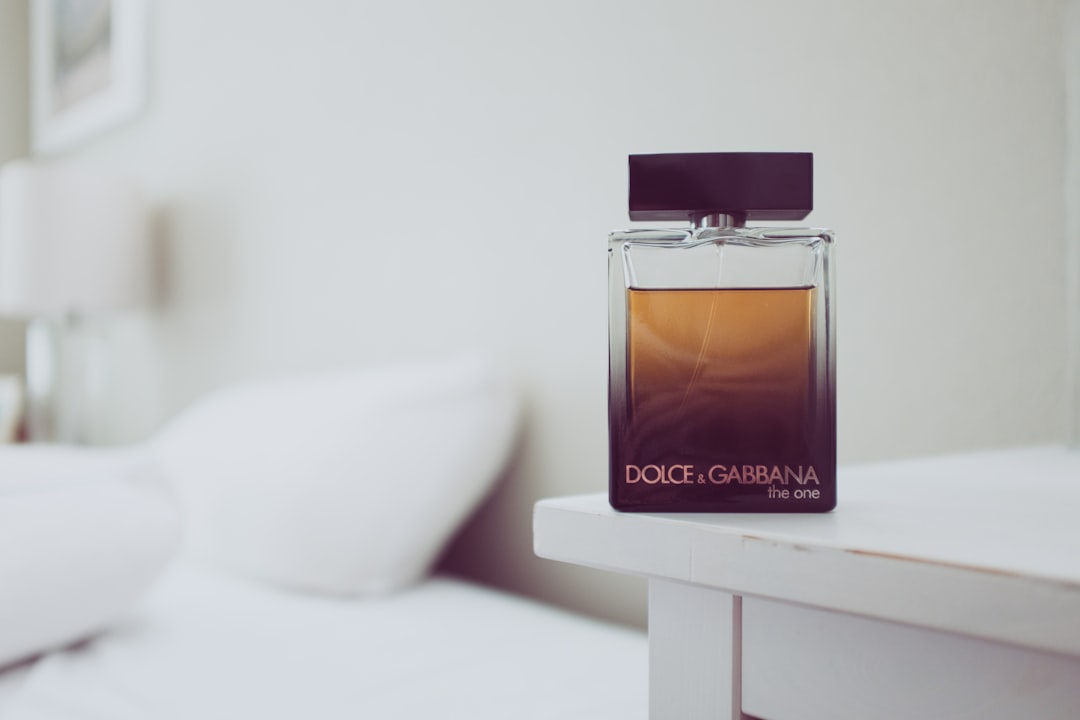
Perfume vs Cologne: What’s the Real Difference?
Perfume and cologne are words most of us use every day, but they don’t mean exactly the same thing. Understanding the difference helps you pick a scent that fits your style, the occasion, and your budget.
This guide breaks down concentration, structure, wear, and practical buying tips so you can stop guessing and start smelling great.
What the words “perfume” and “cologne” actually mean
Technically, “perfume” (or parfum/extrait) refers to a high concentration of aromatic oils in alcohol—usually the longest-lasting format. “Cologne” historically meant a light, citrus-forward tonic, but today it’s often used loosely to describe male-marketed fragrances or low-concentration sprays. If you prefer traditionally marketed options, check choices like Men’s Everyday Cologne, which show how colognes are positioned for daily, casual wear.
Concentration & longevity: the practical difference
Fragrances come in tiers: parfum/extrait (highest oil%), eau de parfum (EDP), eau de toilette (EDT), and eau de cologne (EDC). Higher oil concentration yields longer staying power and stronger sillage. A parfum can last 8+ hours; an EDT or EDC might fade in 3–5 hours. If you’re shopping for a gift or special bottle, many sets focus on EDPs—see curated options like the Designer Perfume Gift Set.
Fragrance structure: top, heart, and base notes
Perfumes are built in layers. Top notes are bright and hit first, heart (middle) notes form the scent’s character, and base notes provide depth and longevity. Understanding these helps you predict how a scent evolves on skin.
Top notes often include citrus elements—fresh and quick to evaporate. For bright daytime choices, look at collections like Citrus Perfume.
Heart notes can be floral, spicy, or green. If you like classic floral centers, browse Rose Perfume selections to see how a floral heart shapes the overall scent.
Base notes—woods, resins, musks, and oud—anchor a fragrance and determine its lasting impression. For deep, resinous warmth, explore Oud Perfume, which shows how base ingredients change performance and personality.
How concentration affects use and occasion
Choose concentration by context. Heavy, long-lasting parfums suit evening events or cold weather; lighter EDTs/EDCs and body mists are better for the office, gym, or hot climates. If you want a versatile daily option that reads fresh and clean, consider a Unisex Fresh Fragrance—easy to wear and not overpowering.
Choosing by scent family: matching personality and season
Scent families help narrow options quickly:
- Citrus & fresh — daytime, spring/summer (see Citrus Perfume).
- Floral — romantic or classic daytime (see Rose Perfume).
- Woody / oud — evening, colder months (see Oud Perfume).
- Gourmand — sweet and food-like, great for cozy settings (explore Vanilla Perfume).
Match a family to your lifestyle: fresh and subtle for daily office wear; richer woods or oud when you want presence and warmth.
Application tips for best performance
Apply to pulse points (wrists, base of throat, behind ears) and to clothing sparingly. Skin type impacts longevity—oily skin holds scent longer. Layering with unscented lotion helps, and avoid rubbing wrists together; that crushes the scent’s top notes. For sweeter gourmand effects, use complementary vanilla-based products like those in Vanilla Perfume lines to strengthen the base.
Travel, sampling, and gifting
Before buying full bottles, sample whenever possible. Travel sizes and pocket sprays make it easy to test a fragrance in real conditions and are convenient for repeat application. If you travel or like to switch scents, a Pocket Size Perfume is practical and legal for carry-on luggage.
When to pick cologne vs perfume
Choose cologne (lighter concentration) when you want a subtle, refreshing scent for daytime or close-quarters environments. Pick perfume (higher concentration) when you want longevity and projection for evening or formal events. Remember marketing categories overlap—focus on concentration and scent family, not the label.
Checklist: Quick decision guide
- Want longevity and presence? Choose parfum or EDP.
- Need light, fresh, everyday wear? Go for EDT/EDC or a cologne-style spray.
- Like bright starts? Look for citrus/top-note blends.
- Prefer warm, long-lasting depth? Seek woody/oud/vanilla bases.
- Testing? Use pockets or samples before committing to 100ml.
FAQ
- Is cologne always for men? No. “Cologne” is a concentration and marketing term; anyone can wear it.
- Does a higher price mean better fragrance? Not necessarily—price can reflect ingredients and brand, but personal chemistry and preference matter most.
- How many sprays should I use? For EDP, 1–3 sprays; for EDT/EDC, 2–4 depending on concentration and occasion.
- Can I layer fragrances? Yes—start with a light base (unscented lotion), then add your perfume. Match families for cohesive results.
- What scent lasts longest? Oud, amber, musks, and vanilla bases typically last longest on skin.
Conclusion: Practical takeaway
Perfume vs cologne comes down to concentration, not strict gender rules. Pick based on longevity needs, scent family, and occasion. Test before you buy, use pocket or travel options to sample, and focus on what smells best on your skin—not the label.
